Liliya Dorokhina: Sochi has every reason to become the "capital of health"
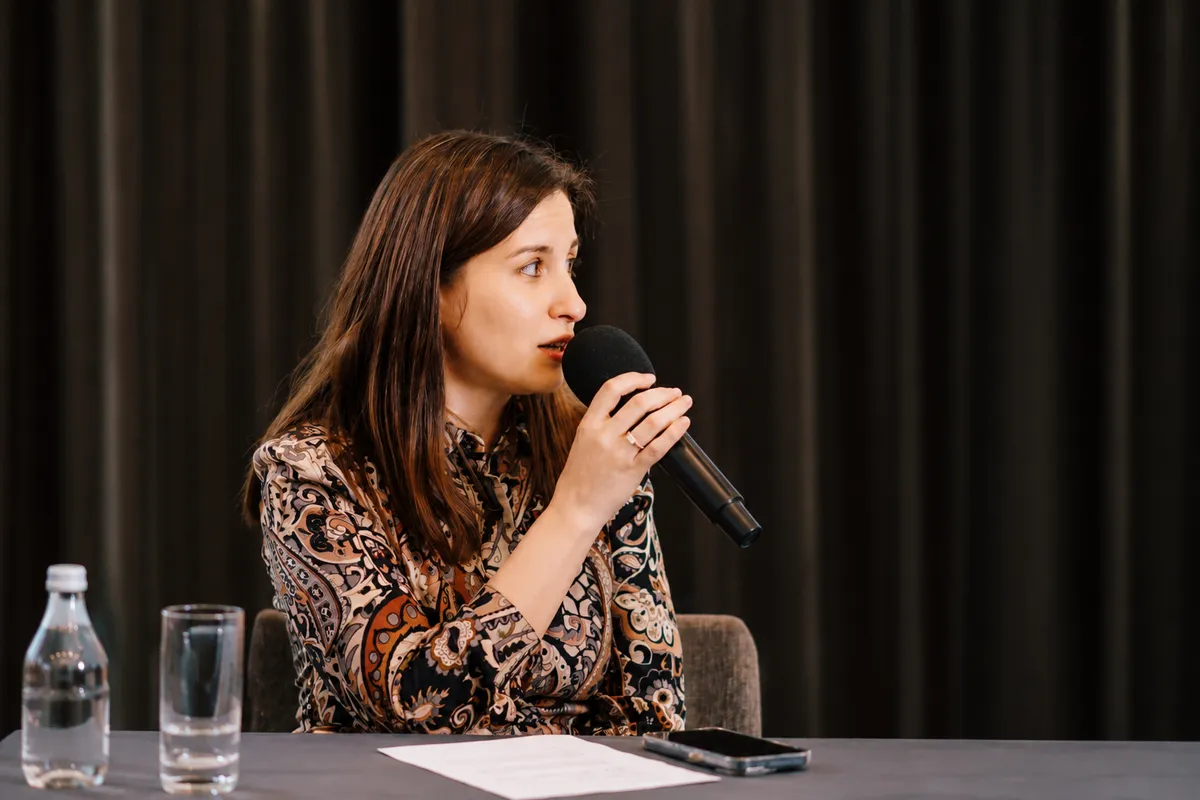
Liliya Dorokhina: Sochi has every reason to become the "capital of health" Sochi can rightly be called the "capital of health", since the city has the infrastructure needed for wellness holidays. This was stated by Liliya Dorokhina, CEO of Sochi — city of the future", organised by the Media Group RBC Yug and the North Caucasus, at the round table "The economy of the sun: LeePrime Group. The positioning of Sochi as the "capital of health" was announced earlier by the city's mayor Andrey Proshunin. Such a status, in his words, is achieved partly through investment in the health resort industry. Sochi has 59 operating sanatoriums, and 44 investment projects are under way in the health resort sector. In total the city is delivering 60 projects worth more than 700 billion roubles. Liliya Dorokhina, CEO of LeePrime Group: "Sochi has every reason to become the 'capital of health'. Health is the new currency. The pandemic set the direction, the main focus of every family on preserving health." According to the Wellness Market Report, in 2025 the health-related economy brought 1.5 trillion US dollars into the global pot. And the main focus, the locomotive, so to speak, is wellness travel. This is travel for the sake of health, and it is the purchase of real estate with wellness infrastructure. Today one of the main questions is probably mental health. How to survive in a state of uncertainty and anxiety? How to manage to switch off? That is the main factor a person focuses on. And Sochi has every capacity to provide that switch. Because it is enough simply to dip into the sea, and the chemical composition of the blood already changes. Vitamin D is "solar energy", it is our immunity. And "sleep in the mountains" is the best restorative sleep there can be. Hoteliers today must see the human being as a complex biological system. We have to understand how sleep, light and sound affect a person. The guest buys a state of being, so we must provide a particular set of services. And we see that the transformation has moved from the "experience economy" to the "economy of emotions and meanings". Products must be created through meaning, and it is through meaning that we must engage with the guest and with investors."
Source: RBC Kavkaz